Democracy and societyBack to normality? Countries with high vaccination rates are slowly lifting all restrictions. Is this the return to normality? Dispatches from the UK, Israel and the US By Christos Katsioulis, Micky Drill, Knut Dethlefsen
Democracy and societyWhy we need experts With social media, echo chambers are increasingly replacing nuanced debate. But listening to expert opinion has never been more important By Pia Bungarten, Reinhard Krumm
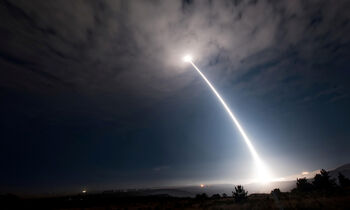
Foreign and security policyA nuclear war must never be fought The risk of nuclear war is real. A ‘no first use’ policy of nuclear weapons would actually bolster US security — and underpin its global leadership role By Ramesh Thakur
Interviews'Replace the race to the bottom by a race to the top' Do globalisation and inequality have to go hand in hand? Gabriel Zucman argues that this doesn't have to be the case — if we re-think our tax systems
Future of social democracyWhat is the price of a life? A decade after the economic crash and a year into a global pandemic, some of us are still more equal than others — and inequality is still on the rise By Kate Pickett
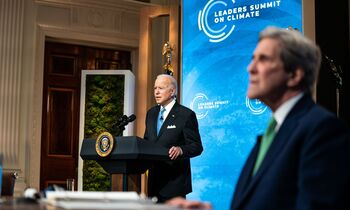
Economy and ecologyBiden's America is no climate leader The US administration doesn't recognise America's true responsibility in the climate crisis. Hence, it can't lead the cause for global climate justice By
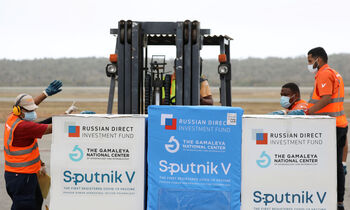
Foreign and security policyRussia’s Sputnik diplomacy While Western countries were busy with their own vaccination campaigns, Russia has filled the leadership vacuum in developing countries By Valentina Lares
Democracy and societyThe pandemic within the pandemic Globally, antibiotic use in hospitals has surged since the start of the Covid-19 pandemic. This is fueling the crisis of antimicrobial resistance By Loice Achieng Ombajo
SchwerpunktThe US and EU must waive the patents Big Pharma claims that a lack of manufacturing capacity, not patents, are thwarting more vaccine production. That's a lie. We need a TRIPS waiver now By Lori Wallach
Work and digitalisationA shrinking and expanding world While the pandemic has equalised the access of knowledge around the world, the side-effects will be felt disproportionally in the global labour market By Branko Milanović